Menu
 1.866.668.5111
  6:30 am - 6:00 pm
 Give a Happy High Five!

September 15, 2026
Our Tips for Supporting Picking Eaters
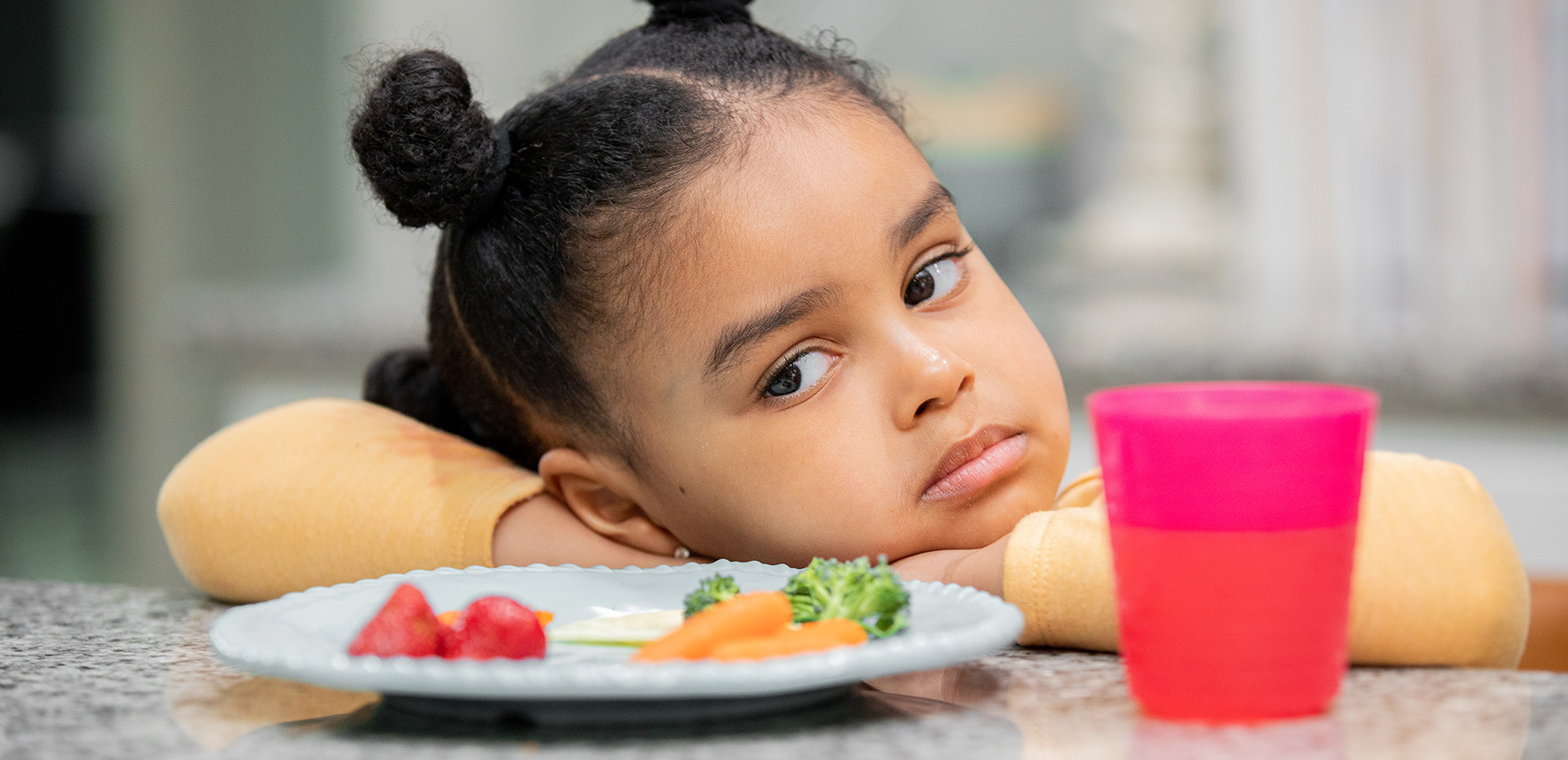
Early childhood is an important time for helping children develop a positive relationship with food. In Doodle Bug! classrooms, we encourage children to explore new foods, listen to their bodies and enjoy mealtimes without pressure.
For many families, picky eating is a normal part of the toddler and preschool years. Children may love a food one day and refuse it the next, or happily eat only a few familiar favorites. While this can feel frustrating, patience and consistency can help make mealtimes more positive.
Young children are still learning about flavors, textures and the experience of eating. With gentle encouragement and repeated opportunities to explore different foods, children can gradually become more comfortable trying something new.
Our Tips for Supporting Picky Eaters
 1. Keep Mealtimes Positive
Mealtimes should feel calm and welcoming rather than stressful. Try to avoid turning food into a battle.
Instead, focus on:
- Sitting together whenever possible
- Keeping mealtime conversations positive
- Allowing children to decide how much they want to eat
- Avoiding pressure to take “just one more bite”
Simple encouragement like, “You can smell it or touch it if you’d like,” gives children permission to explore food at their own pace.
2. Offer a Variety of Foods
Children are more likely to become comfortable with different foods when they see them regularly. At meals and snacks, offer a mix of familiar foods and foods your child is still learning to enjoy.
You can include:
- Fruits and vegetables in different colors
- Whole grains
- Protein-rich foods
- Dairy or appropriate alternatives
- Familiar favorites alongside new foods
A child does not have to eat a new food right away. Simply seeing it on their plate can be an important first step.
3. Introduce New Foods Without Pressure
Trying a new food can be a big experience for a child. Encourage curiosity without requiring them to eat it.
Children might begin by:
- Looking at the food
- Touching or smelling it
- Licking or taking a tiny taste
- Exploring its color, shape or texture
Repeated exposure can help unfamiliar foods feel more comfortable over time. A food that is refused today may become a favorite later.
 4. Let Children Help
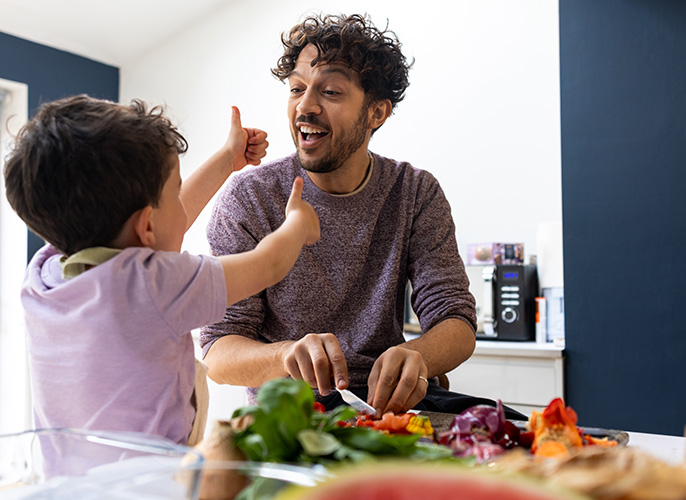
Children are often more interested in food when they have a role in preparing it. Even small tasks can make mealtimes more engaging.
Invite children to:
- Wash fruits and vegetables
- Stir ingredients
- Choose between two healthy options
- Arrange foods on a plate
- Help set the table
These simple experiences build independence and give children a chance to connect with food before it reaches the table.
5. Be a Positive Role Model
Children learn by watching the adults around them. When they see caregivers enjoying a variety of foods, mealtimes become an opportunity to model healthy habits.
Try to:
- Eat a variety of foods together
- Talk positively about different flavors and textures
- Avoid describing foods as “bad” or “yucky”
- Show curiosity when trying something unfamiliar
You can say, “This is crunchy!” or “I really enjoy the sweet taste of this fruit.” Keeping food language positive helps children develop their own relationship with eating.
6. Keep a Routine
Consistent meal and snack times can help children know what to expect throughout the day. When children regularly have opportunities to eat, they can begin to recognize their own hunger and fullness cues.
A predictable routine might include:
- Regular meals
- Planned snacks
- Water available throughout the day
- A calm place to sit and eat
Children do not need to eat the same amount at every meal. Appetite can naturally change from day to day.
 7. Make Food Fun Without Making It a Requirement
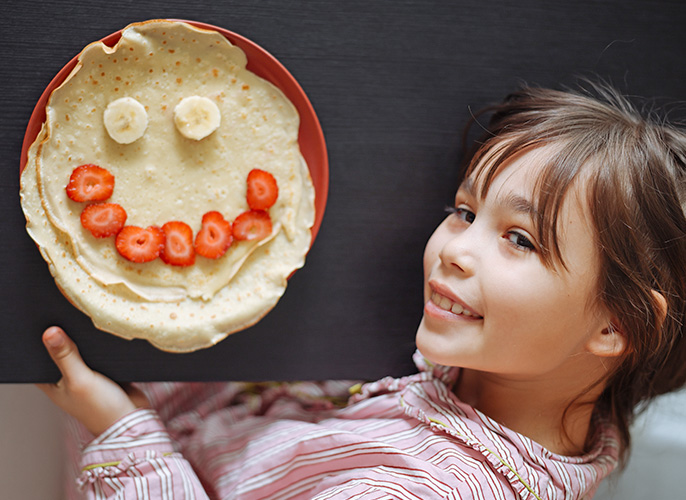
Food can be an opportunity for playful learning. Exploring different shapes, colors and textures can make new foods feel less intimidating.
Try activities such as:
- Sorting fruits and vegetables by color
- Making simple fruit or vegetable faces
- Talking about foods that are crunchy, soft, smooth or juicy
- Growing herbs or vegetables together
- Reading books about food and cooking
The goal is not to make children eat more. It is to help them become comfortable exploring food in a positive environment.
Bringing It All Together
Picky eating can be a normal part of early childhood, and every child develops their eating habits at their own pace.
By keeping mealtimes positive, offering variety, introducing new foods without pressure, involving children in preparation and modeling healthy attitudes toward food, we can help young children build confidence and curiosity around eating.
Most importantly, remember that progress does not always mean taking a bite. Sometimes progress looks like touching a new food, smelling it or simply allowing it to sit on the plate. With patience, consistency and encouragement, small steps can lead to bigger discoveries at the table.