Menu
 1.866.668.5111
  6:30 am - 6:00 pm
 Give a Happy High Five!

October 13, 2026
How To Teach Your Child To Be a Good Friend
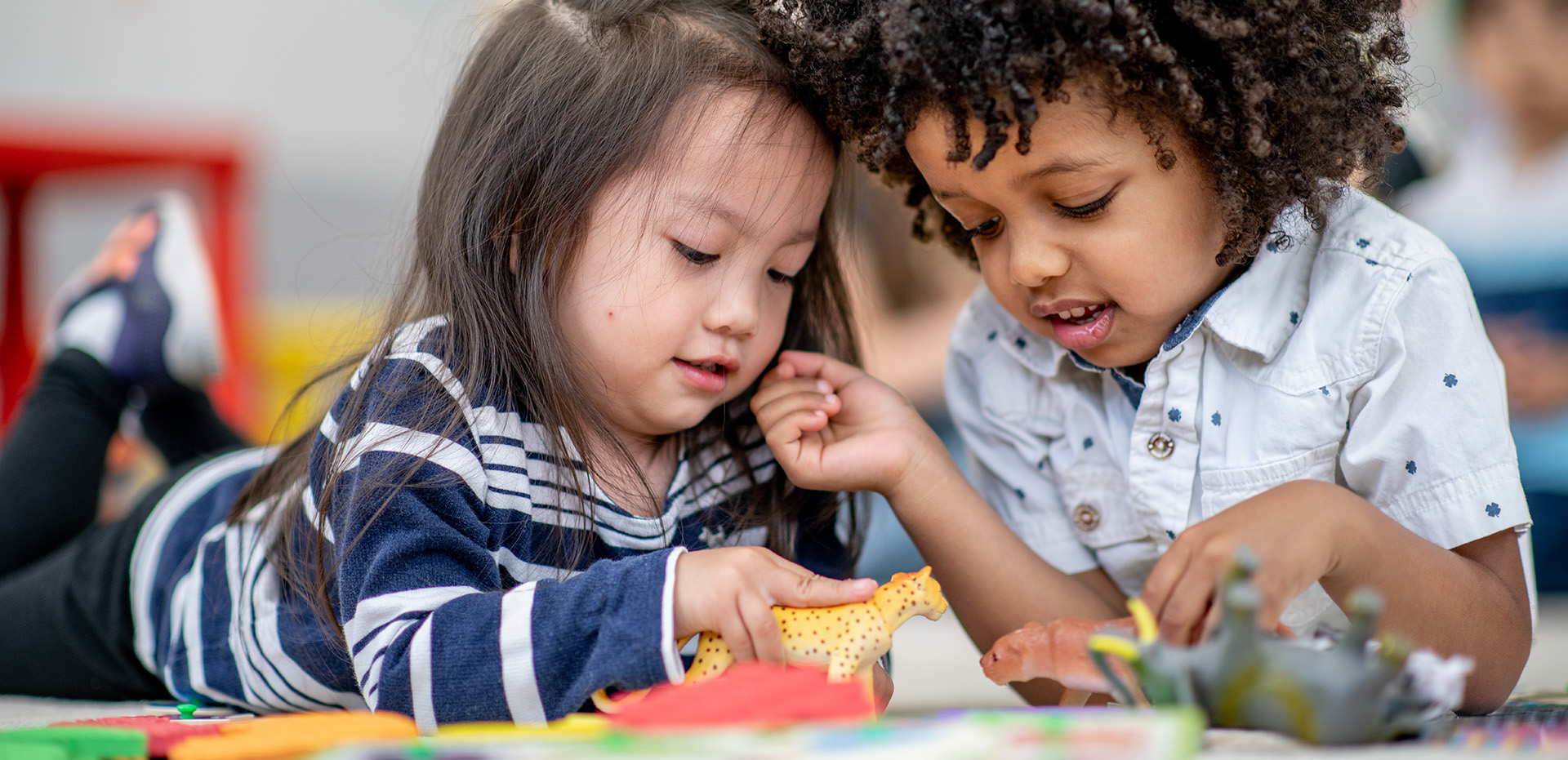
At Doodle Bugs!, we know that learning isn’t just about letters and numbers. Every day, children are learning how to communicate, cooperate and build meaningful relationships. One of the most valuable life skills they can develop is knowing how to be a good friend.
Friendship helps children build confidence, empathy and a sense of belonging. While these skills develop over time, parents and caregivers can help by providing guidance and opportunities to practice positive social interactions.
Here are some simple ways to help your child become a kind and caring friend:
1. Model Kindness
Children learn by watching the adults around them. Demonstrate kindness through your everyday interactions by using polite words, listening to others and showing empathy. When children see positive friendships in action, they’re more likely to model those behaviors themselves.
2. Practice Sharing and Taking Turns
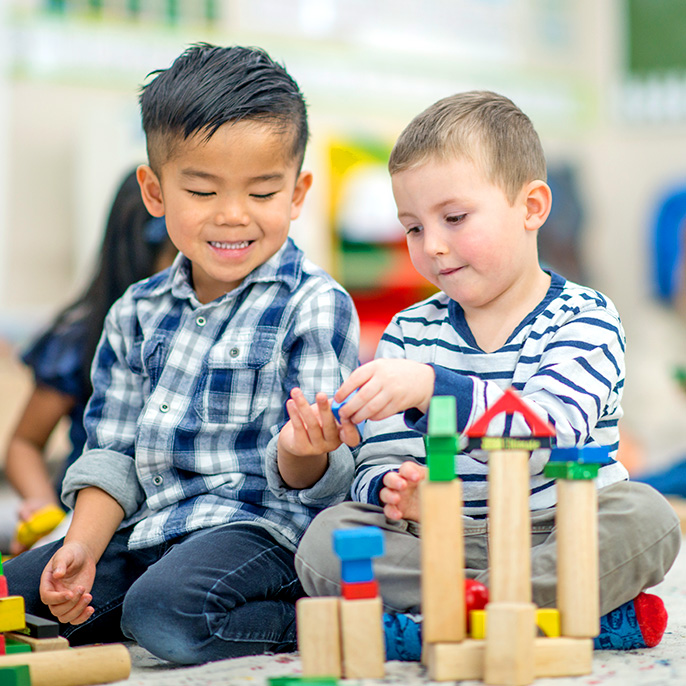
Friendships thrive on cooperation. Whether you’re playing a board game, building with blocks or sharing art supplies, everyday activities provide opportunities to practice waiting, sharing and considering others’ feelings.
3. Encourage Empathy
Help your child recognize and understand how others may be feeling. Demonstrate how you wonder how others feel out loud while talking about characters in books or while playing with others. Narrating your thoughts by saying things like, “I wonder how (name) is feeling about losing his toy. I wonder if there’s anything we could do to help him feel better?”
 4. Teach Positive Communication
Help children learn simple phrases they can use with friends, such as:
- “Can I play with you?” – Encourages inclusion and confidence.
- “Would you like a turn?” – Promotes sharing and cooperation.
- “I’m sorry.” – Helps children take responsibility and repair friendships.
- “Thank you for playing with me!” – Shows appreciation and kindness.
5. Encourage Problem-Solving
Disagreements are a normal part of friendship. Instead of solving every conflict for your child, guide them through finding solutions together. Learning to listen, compromise and work through challenges helps children develop healthy relationship skills.
6. Celebrate Acts of Kindness
Recognize moments when your child includes a classmate, comforts a friend or uses kind words. Positive encouragement reinforces these behaviors and helps children understand the value of being a thoughtful friend.
7. Create Opportunities for Friendship
Playdates, group activities and community events give children opportunities to practice social skills in a supportive environment. The more experiences they have interacting with peers, the more confident they’ll become in building lasting friendships.
By encouraging kindness, empathy and positive communication, we help children develop the social skills they need to build strong friendships that can last a lifetime.