
Menu
 1.866.668.5111
  6:30 am - 6:00 pm
 Give a Happy High Five!

December 10, 2025
Cultivating Curiosity: Why Curiosity Should Be Embraced in Children Under 5
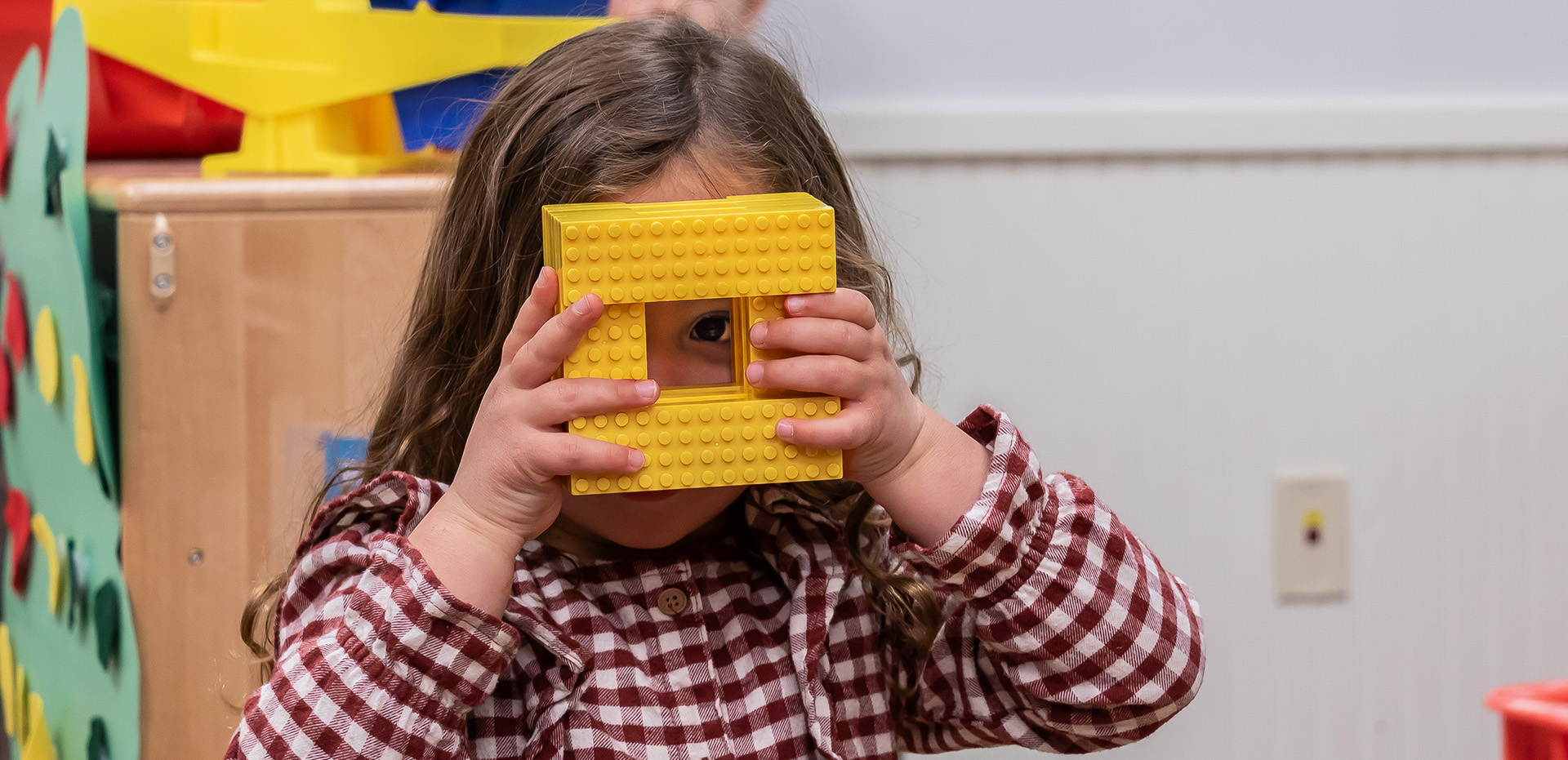
As educators, we know how crucial early childhood development is for shaping the future of our students. But beyond the ABCs and 123s, there’s another critical skill we must nurture in our youngest learners: curiosity. Curiosity isn’t just a passing phase. It’s the foundation of lifelong learning.
In this blog, we’ll explore why fostering curiosity in children under 5 is essential and how embracing their natural curiosity can make a lasting impact on their educational journey.
The Power of Curiosity
Children under the age of 5 are naturally inquisitive. At this age, their brains are developing rapidly, and they’re constantly absorbing new information from the world around them. Curiosity drives exploration and this exploration is key to cognitive and emotional development. It’s the spark that leads them to ask “Why?” and “How?” These questions pave the way for deeper understanding and more complex thinking.
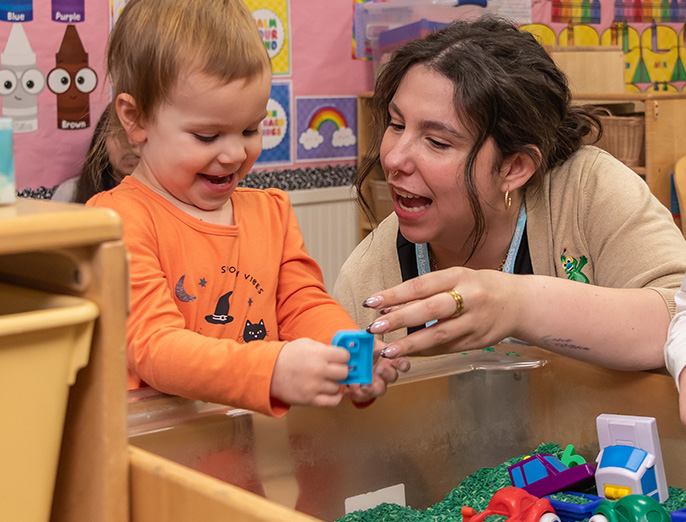
Encouraging curiosity allows young children to:
- Develop Problem-Solving Skills: When children are curious, they engage in critical thinking, testing hypotheses and trying out different approaches to find solutions. Whether they’re building with blocks or painting with new colors, their curiosity fuels creativity and resourcefulness.
- Strengthen Social-Emotional Skills: Curiosity helps children understand the world and their place in it. As they ask questions, they learn about others’ perspectives, emotions and experiences. This can lead to better communication skills, empathy and the ability to navigate social situations.
- Enhance Language Development: When children are curious, they engage in conversation, ask questions and express their thoughts. This active participation accelerates language development and helps them expand their vocabulary.
- Foster a Growth Mindset: By embracing curiosity, children learn that it’s okay to not have all the answers right away. They begin to understand that learning is a process of discovery, mistakes and growth, which forms the foundation of a positive attitude toward learning.
How to Foster Curiosity in Young Children
While curiosity is a natural trait in young children, it’s important to provide an environment that supports and nurtures it. Here are some strategies to help cultivate curiosity in children under 5:
- Create a Stimulating Environment
A dynamic and engaging classroom is key to sparking curiosity. Offer a variety of materials, like books, toys, sensory bins and art supplies to encourage exploration. Children are more likely to be curious when they have access to diverse, open-ended learning opportunities that allow them to investigate and create. - Ask Open-Ended Questions
Instead of just providing answers, ask questions that encourage children to think critically. Questions like “What do you think will happen if…?” or “Why do you think that is?” stimulate deeper thought and invite children to share their ideas and observations. - Model Curiosity
Children learn by observing the adults around them. If you demonstrate curiosity in your own actions, whether it’s asking questions, exploring new ideas or showing excitement about discovering something new, children will be more likely to adopt the same approach. Let them see you engage with the world in an inquisitive way. - Encourage Play-Based Learning
Play is one of the most effective ways young children learn. It provides them with the freedom to experiment, make choices and engage with their surroundings. Whether it’s building a fort with blocks, experimenting with water and sand, or creating imaginative scenarios in the dress-up corner, play allows children to explore the world in a hands-on way that satisfies their curiosity.

Why Curiosity Matters in Early Education
When children are curious, they’re not just memorizing facts, they’re actively engaged in understanding the world around them. This engagement lays the foundation for academic success in the future and helps children develop a strong sense of self-confidence in their ability to learn.
Here’s why curiosity is so important:
- Early Brain Development
The first five years of life are critical for brain development. During this time, the brain forms connections that will serve as the basis for all future learning. Curiosity helps create these neural pathways by promoting active engagement with the environment, leading to greater cognitive growth. - Promotes Independent Learning
Curiosity encourages children to take ownership of their learning. They start to ask questions, seek answers and find new ways to explore topics of interest. This sense of independence sets the stage for a lifelong love of learning and self-motivation. - Fosters a Positive Relationship with School
When children’s curiosity is nurtured, they begin to associate learning with excitement and discovery. They’re more likely to develop a positive attitude toward school and feel confident in their ability to learn and succeed. - Supports Social Skills
As children explore their environment and interact with others, they develop important social skills such as communication, cooperation, and conflict resolution. Curiosity leads to collaboration with peers and teachers, helping children build relationships and learn from others.
We have the privilege of guiding young children through their natural process of exploration and discovery. By creating an environment that encourages curiosity, asking open-ended questions and supporting their learning, we can help children build the skills they need to thrive both inside and outside the classroom.